April 11, 2026

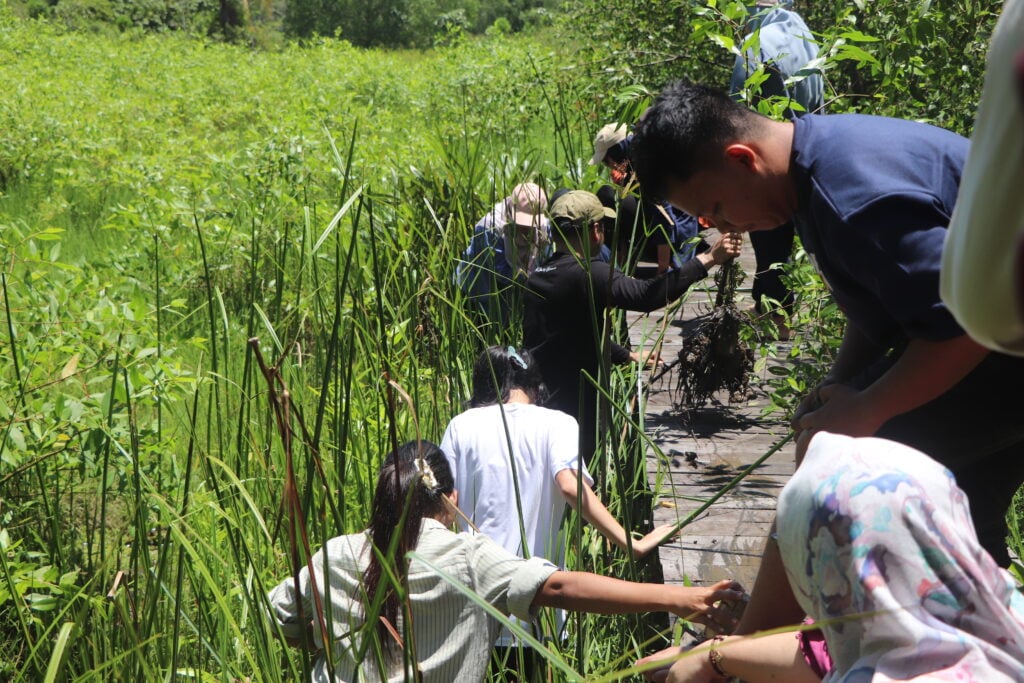
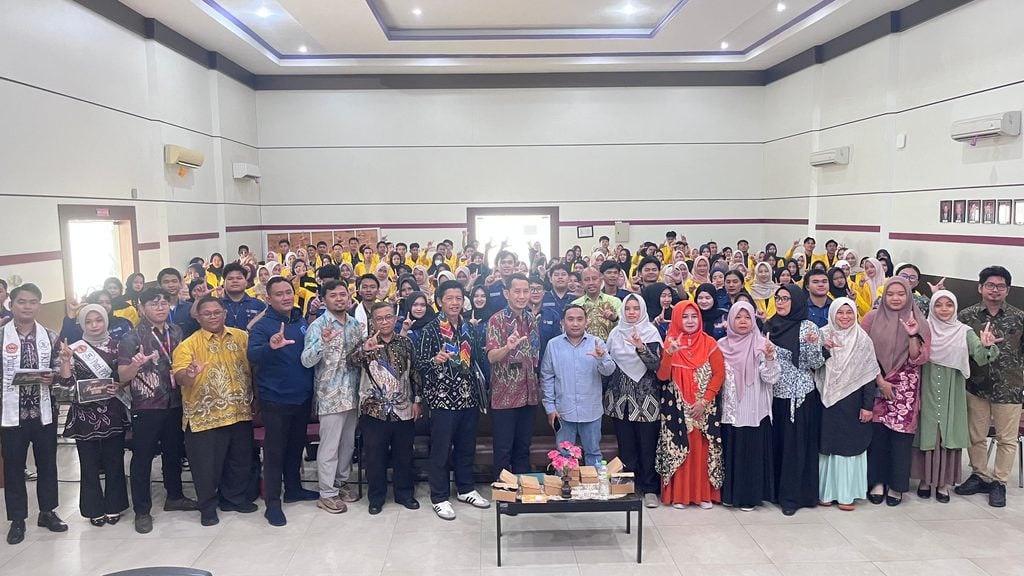
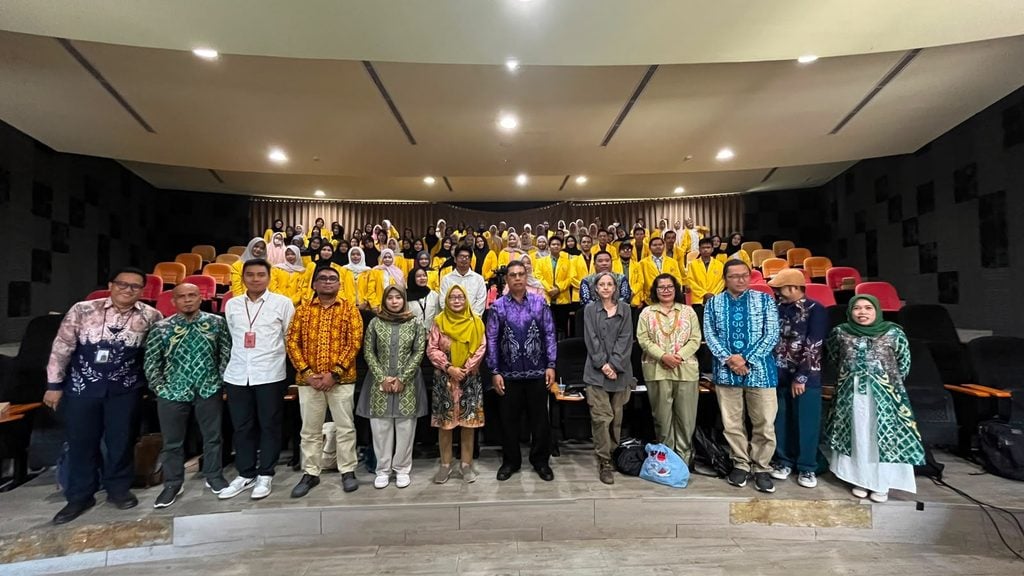
Curiak Island – The Integrated Learning Activities Mobilization Unit (MKBT) of the Faculty of Teacher Training and Education (FKIP) at Lambung Mangkurat University (ULM) facilitated an international community service activity under the theme “International Community Service Program: A Collaborative Initiative Between FKIP ULM and ISAT-U.” The event was held at the Bekantan Conservation Site on Curiak Island, Batola Regency, on Saturday, April 11, from 9:00 AM to 2:00 PM WITA. The event was attended by a number of FKIP ULM faculty members and students, as well as students from Iloilo Science and Technology University (ISAT-U). The event included a presentation by conservation managers regarding the Bekantan research station. Participants were informed about the number of Bekantans, their diet, and the connection between the conservation area and the Meratus Geopark. Subsequently, participants were taken on a tour of the island to view the Rambai mangrove forest, where they conducted observations and then planted Rambai trees.
According to the Head of the MKBT Unit, Raisa Fadilla, this collaborative community service initiative stems from the SEA Teacher program. “This program aims not only to strengthen the partnership between FKIP ULM and ISAT-U, but also to foster community service that is globally-minded and sustainable,” she explained. Meanwhile, one of the ISAT-U students, Conrado E. Torreteo Jr., expressed his enthusiasm for participating in this activity. “My visit to Curiak Island was an incredibly eye-opening experience. I learned so much about the efforts to preserve the Bekantan (Proboscis Monkey), a unique and endangered species that lives here. What fascinated me most was understanding the deep connection between the monkeys and their environment. I was taught how crucial mangrove conservation is, because mangroves are not just their home, but also their main source of food. Seeing how the community protects these forests to ensure the Bekantan have enough to eat and a safe place to live was truly inspiring. It is amazing to see how nature is balanced here, and how preserving the mangroves directly saves this beautiful species. This trip gave me a deeper appreciation for our ecosystem and the importance of protecting it.”
Another student, Cydell Rose Poral, also shared her enthusiasm. “We planted mangrove propagules ourselves at a hands-on restoration site—not the typical coastal varieties, but specialized species thriving inland amid the geopark’s unique geology. But the real standout was the bekantan (also known as the long-nose monkey). I expected just to watch and be entertained by these gentle, reddish-brown primates with their distinctive large noses, but it went far beyond. They’re critically endangered, yet dedicated efforts have boosted their numbers through protected habitats and community programs. We learned about their diet—which favors young mangrove leaves and fruits—their physical traits—like the alpha male’s underwear-like sacs—and their swampy riverine habitats, plus their vital roles in the ecosystem. This experience deepened my passion for science education, linking biology, ecology, and community action, and turned me into a teacher who doesn’t just explain ecosystems—but believes in becoming part of their healing,”she explained enthusiastically. (Admin)