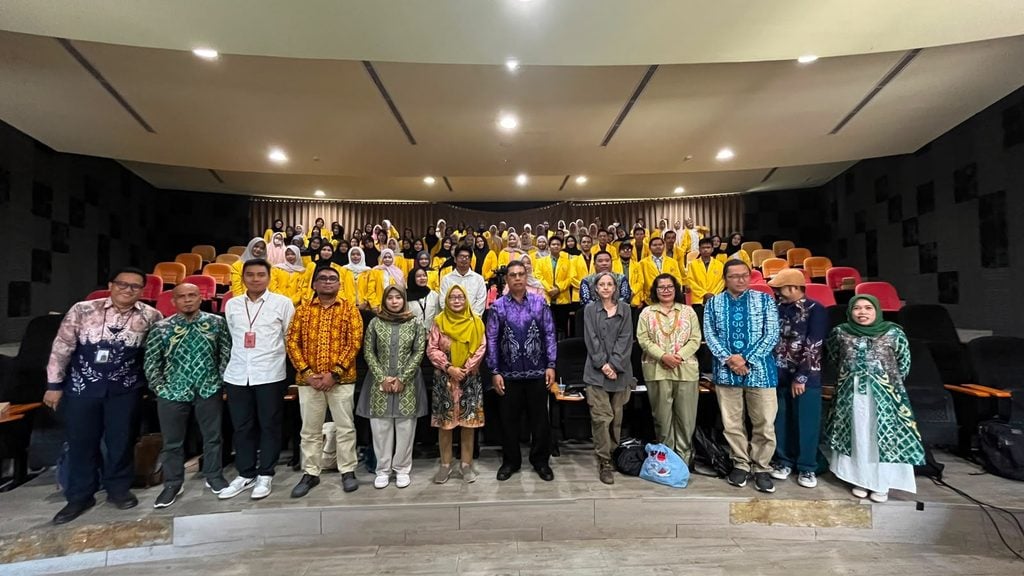
September 25, 2025

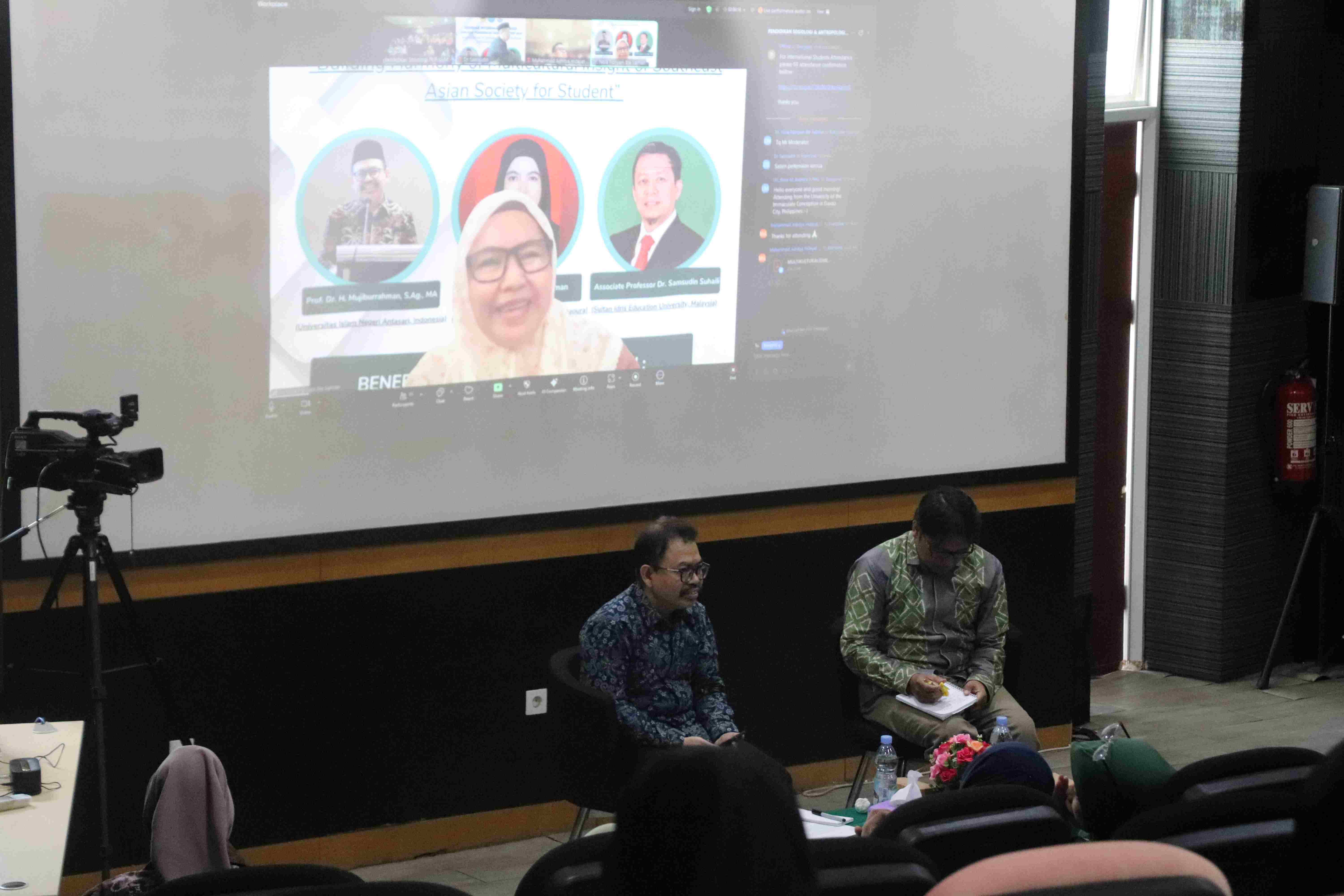
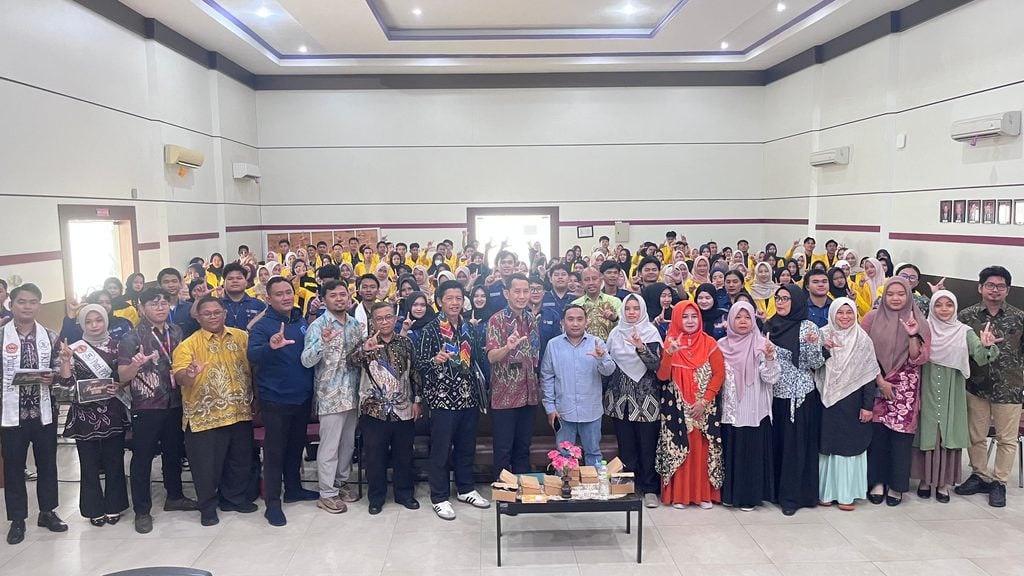
The Sociology Education Department of the Faculty of Teacher Training and Education (FKIP) at Lambung Mangkurat University (ULM) successfully held an International Seminar with the theme “Building Harmony Multicultural Insight of Southeast Society for Students” on Thursday, September 25, in a hybrid format. The event was held at the ULM Student Activity Center starting at 9:00 a.m. WITA and via a virtual Zoom meeting. This seminar featured speakers from three countries, namely Professor Mujiburrahman from the State Islamic University (UIN) Antasari, South Kalimantan, Indonesia; Nola Fibriyani BTE Salman from Muhammadiyah Islamic College, Singapore; and Associate Professor Samsudin Suhaili from Sultan Idris Education University, Malaysia. The event was opened by the Dean of FKIP ULM, Sunarno Basuki, and attended by the Head of the Sociology Education Department of FKIP ULM, Rochgiyanti; lecturers and students from the sociology education department of FKIP ULM; and in the online meeting room, students from the University of The Immaculate Conception, Philippines; students from Sultan Idris Education University, Malaysia; and students from Muhammadiyah Islamic College, Singapore.
In his opening remarks, Sunarno Basuki welcomed the event and expressed his hope that participants would benefit greatly from this international seminar. After the opening, the speakers presented material on multiculturalism and its challenges today. Mujiburrahman highlighted the dynamics and challenges of multiculturalism in Southeast Asian societies. According to him, in Indonesia, the famous national slogan Bhinneka Tunggal Ika, which means “unity in diversity,” is a fundamental principle of multiculturalism. “Differences must be recognized and respected, but at the same time, the common ground between those differences must also be reinforced,” he said wisely.
Meanwhile, Nola Fibriyani explained that currently, Singapore is concentrating on strengthening religious harmony in various ways, including: urban planning policies, religious organizations, and legislation. On the other hand, Samsudin Suhaili identified that students in Southeast Asia live in a context of extreme diversity. In his view, without a deep awareness of multiculturalism, students risk failing to understand the social reality of their own communities.
One of the invited guests, who is also the Secretary of the Social Studies Education Department, Jumriani, stated that this international seminar gave her the impression and broadened her perspective that building multiculturalism is not only about recognizing diversity, but also managing differences to become a shared strength. The discussion on the role of various actors in facing globalization and digital dynamics emphasized the great responsibility of the younger generation. “From the international speakers, I gained diverse perspectives on how countries in Southeast Asia face multicultural challenges with different approaches. This emphasizes the importance of cross-cultural collaboration, positive use of digital space, and strengthening multicultural literacy to create a harmonious society,” she said.
(Contributor: Cucu Widaty)
(Administrator)