June 27, 2026
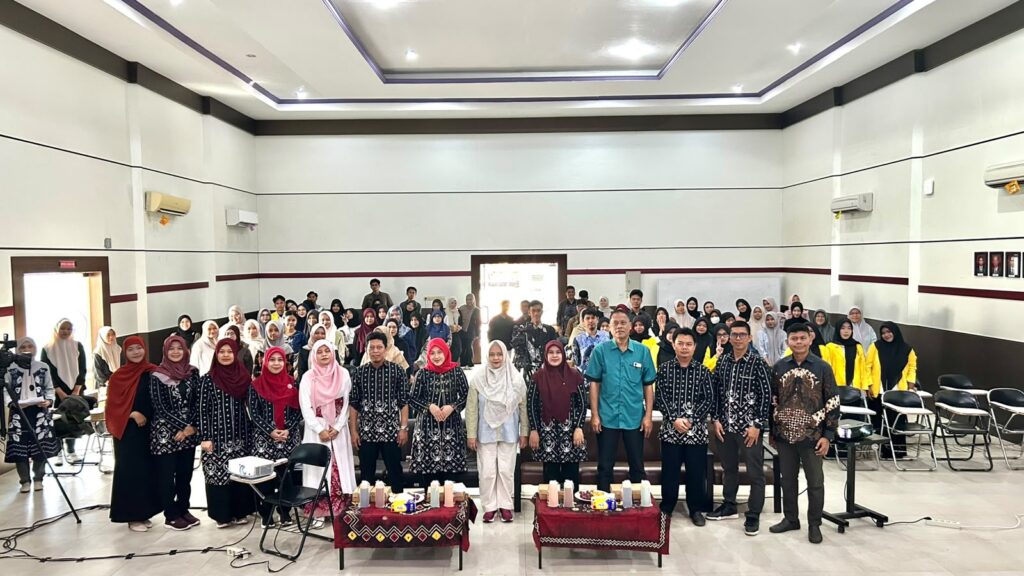
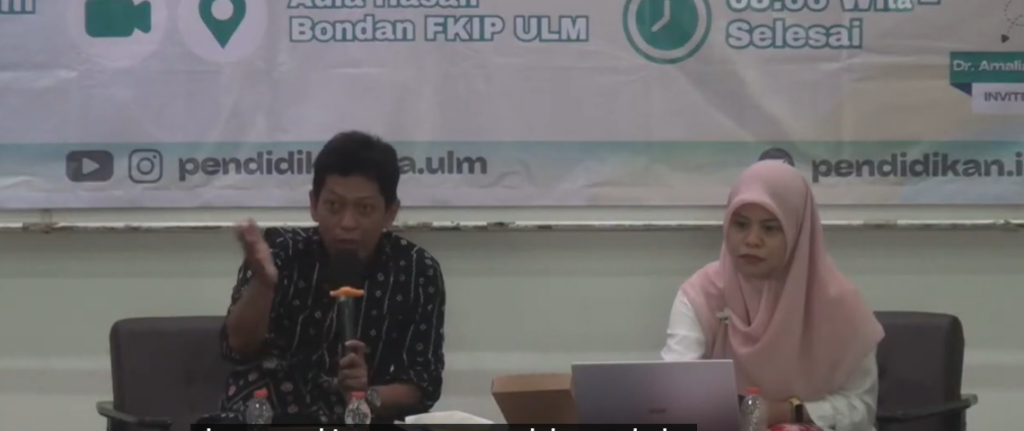
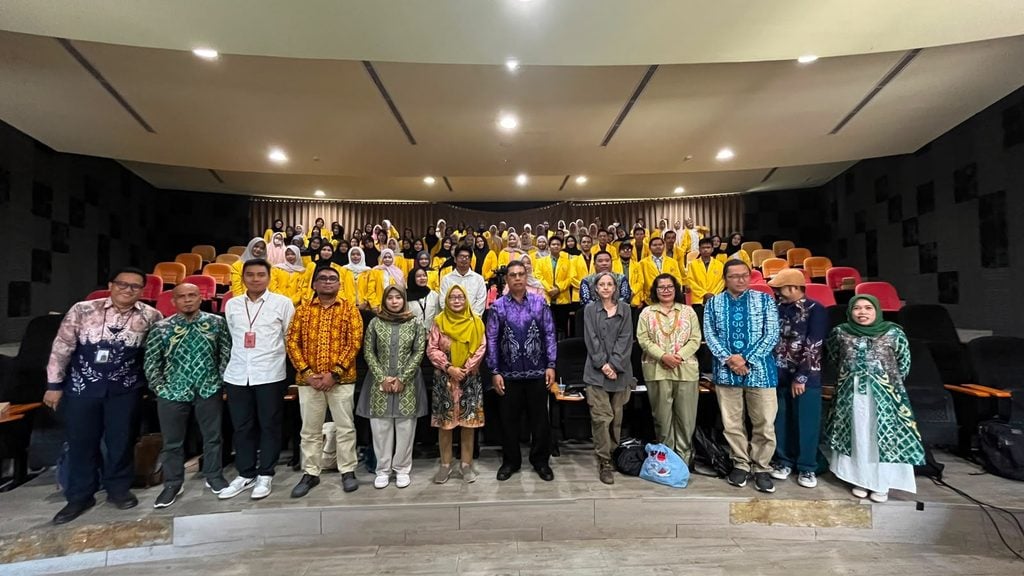
Banjarmasin – The Department of Science Education (JPIPA) of the Faculty of Teacher Training and Education (FKIP) at Lambung Mangkurat University (ULM) successfully hosted the 2026 National Seminar for Natural Science Education Students under the theme “The Role of Quality Natural Science Education in Poverty Alleviation Through Sustainable Collaboration.” The event, which took place from 8:00 a.m. to 4:30 p.m. WITA, was held in a hybrid format at the Hasan Bondan Auditorium and was also attended online via the Zoom platform. This seminar served as a forum for students, academics, researchers, and education practitioners to exchange ideas on the contribution of science education in supporting sustainable development and improving community welfare. The seminar featured Professor Wiyanto from Semarang State University and Syubhan Annur, a lecturer and Chair of the JPIPA Department at FKIP ULM, as speakers, and was moderated by Sauqina, a lecturer in the JPIPA Department at FKIP ULM.
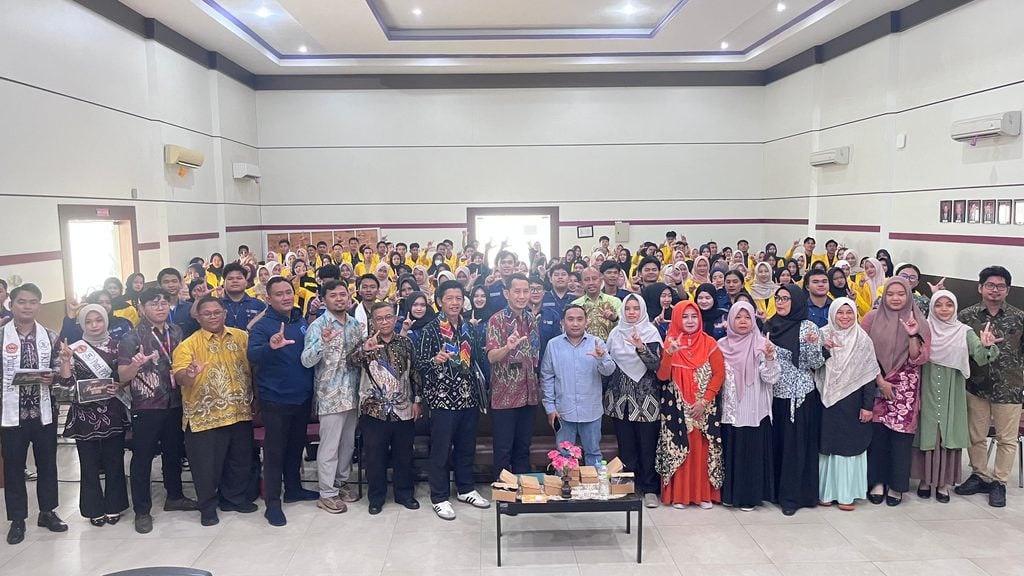
The event was officially opened by the Associate Dean for Academic Affairs at FKIP ULM, Deasy Arisanty, and was attended by the Chair of the JPIPA Department at FKIP ULM, Syubhan Annur; the Secretary of the JPIPA Department at FKIP ULM, Yasmine Khairunnisa; faculty members and students from the JPIPA Department at FKIP ULM, as well as invited guests such as Arif Sholahuddin, a full professor in the Department of Chemistry Education at FKIP ULM; Alvin Ikhsanul Fatya; and Amalia Rezeki, an activist for proboscis monkey conservation. The presence of these academics further enriched the scientific discussion by offering diverse perspectives on the development of science education that is adaptive, innovative, and oriented toward achieving the Sustainable Development Goals (SDGs).
In her remarks, Deasy stated that quality education is a vital foundation for developing human resources capable of addressing various global challenges, including poverty. According to her, JPIPA can not only play a role in enhancing mastery of science and technology but also in shaping character, critical thinking skills, problem-solving abilities, and innovation that can have a tangible impact on society.
Throughout the event, participants gained various insights into the importance of collaboration between universities, the government, the business sector, and the community in building an educational ecosystem capable of generating solutions to various social issues. The interactive discussions demonstrated the high level of enthusiasm among participants, both those attending in person and online. The various questions and ideas raised reflected the students’ enthusiasm to contribute to development through innovation in science education.
The hybrid format of this seminar also reflects JPIPA FKIP ULM’s commitment to expanding access to scientific activities so that participants from various regions can be reached. By leveraging digital technology, the seminar was able to create an inclusive discussion space without compromising the quality of interaction between speakers and participants. Through the 2026 National Seminar for Science Education Students, JPIPA FKIP ULM hopes to strengthen academic networks while fostering cross-sector collaboration to improve the quality of science education in Indonesia. The chosen theme is expected to inspire students and all participants to continue developing innovative teaching methods and research that make tangible contributions to poverty alleviation through high-quality and sustainable education.
(Article Contributor: Organizing Committee)
(Admin)