May 4–5, 2026
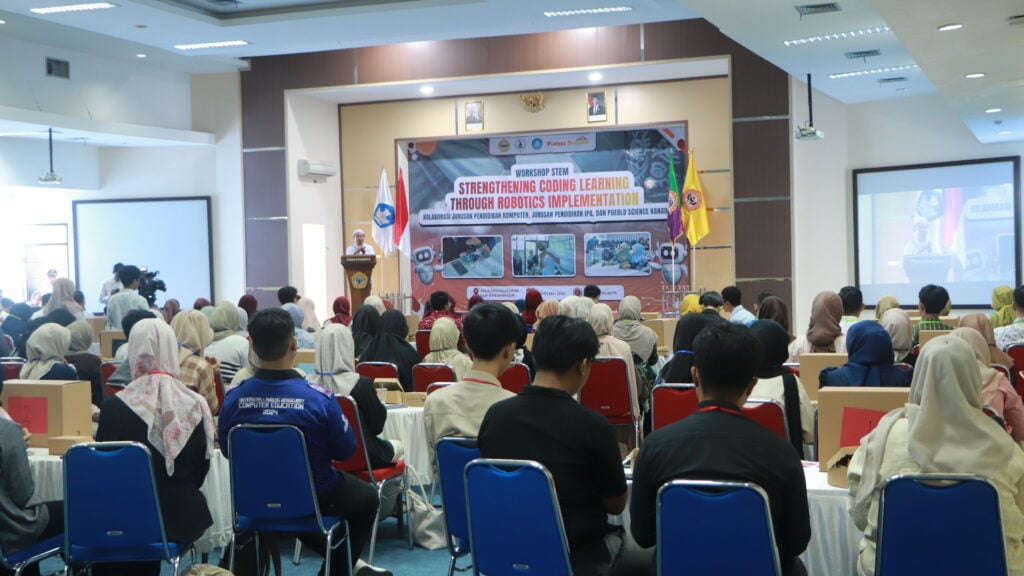
Banjarmasin – The Department of Natural Sciences Education (JPIPA) and the Department of Computer Science Education (JPilkom) at the Faculty of Teacher Training and Education (FKIP) of Lambung Mangkurat University (ULM) once again held a training session for students and teachers in collaboration with the (Non-Governmental Organization) based in Canada. This educational collaboration is now in its third year. Once again conducting a workshop in the STEM (Science, Technology, Engineering, and Mathematics) field, this time the training is titled “Strengthening Coding Learning Through Robotic Implementation.”
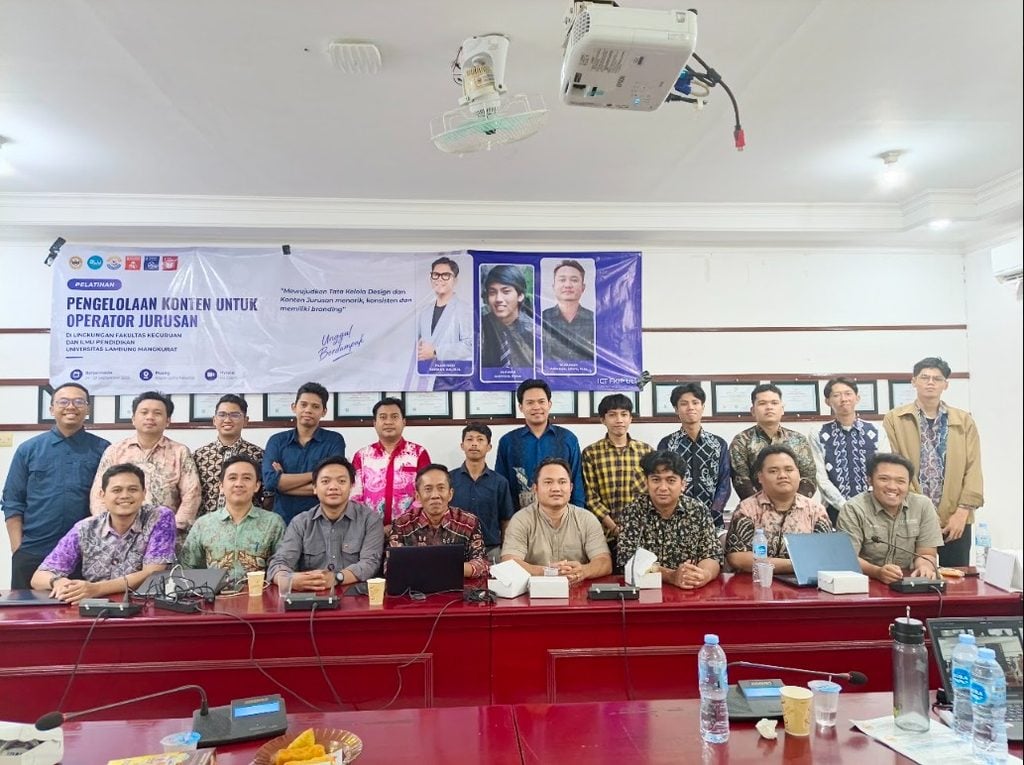
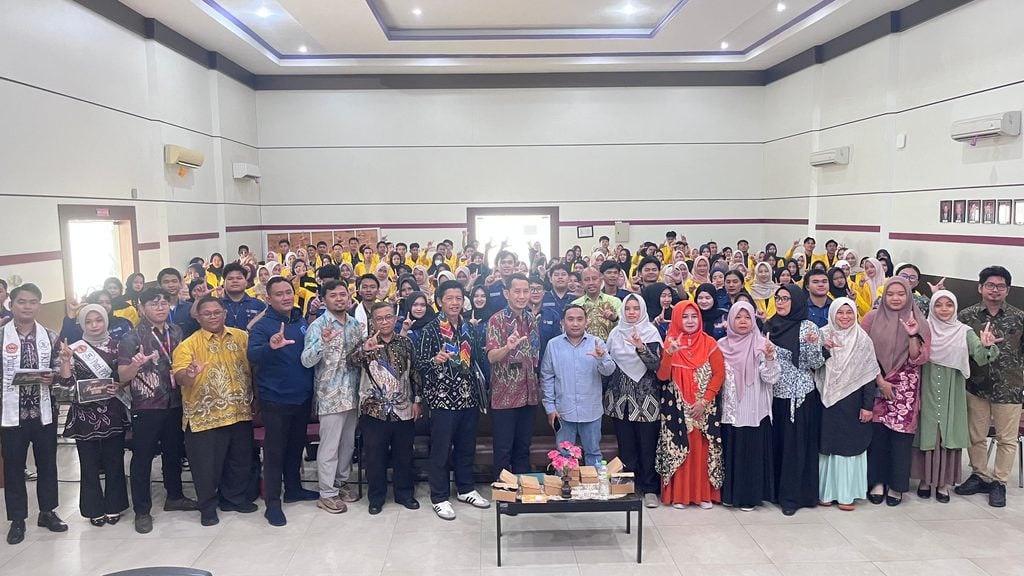
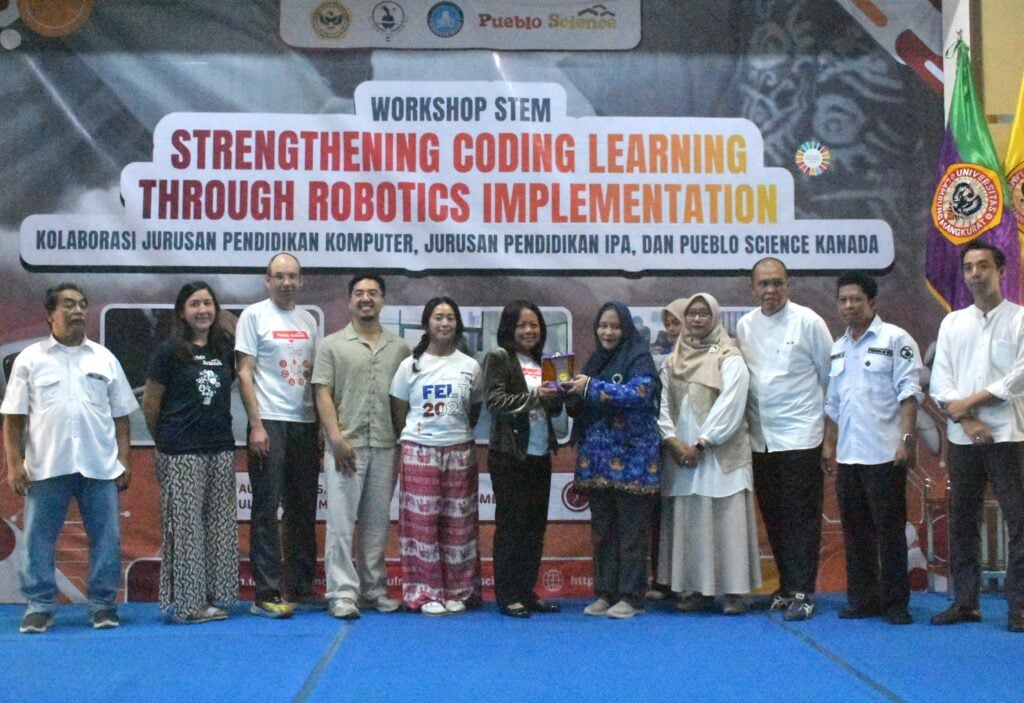
The event, held at the ULM Graduate School Auditorium on June 4–5, was opened by Deasy Arisanty, Associate Dean for Academic Affairs at the ULM Faculty of Teacher Training and Education (FKIP), and was attended by Ali Rachman, Associate Dean for Student Affairs and Alumni at the ULM Faculty of Teacher Training and Education (FKIP); the Head of the Cooperation and Public Relations Management Unit (UPKH) at FKIP ULM, Emma Rosana Febriyanti; the Chair of JPIPA, Syubhan ‘Annur; the Chair of JPilkom, Harja Santana Purba; faculty members from JPIPA and JPilkom; faculty and staff from JPIPA and JPilkom; Science teachers from the Junior High School Teachers’ Working Group (MGMP) in Banjarmasin City, Banjarbaru City, Barito Kuala Regency, and Balangan Regency; JPIPA alumni; as well as JPIPA and JPilkom students. Meanwhile, the representatives from Pueblo Science who served as instructors for this training included Mayrose Salvador, who is also the Executive Director of Pueblo Science, as well as other instructors: Martin Labrecque, Matthew Jabile, Jacqueline Brillantes, and Laura Roa.
This training was organized to build the capacity of prospective science educators in designing experiential learning. The initiative was driven by disparities in educational quality, particularly in schools with limited facilities, resources, and access to fully equipped laboratories. Through a partnership with Pueblo Science, this training aims to introduce a portable educational model that is adaptive, easy to replicate, and applicable in various learning contexts. This year, the program focuses on robotics education in response to the requirements of the 2026 Curriculum and the need for students to master STEM skills.
According to the Chair of the Organizing Committee, Rizky Pamuji, in an era where the curriculum is integrated with coding, teachers and prospective teachers are expected to master STEM and computational thinking. “Through this partnership, now in its third year, we are strengthening our role in preparing future educators to meet these demands. I hope this initiative continues to grow and further enhances our students’ readiness for the future,” he said.
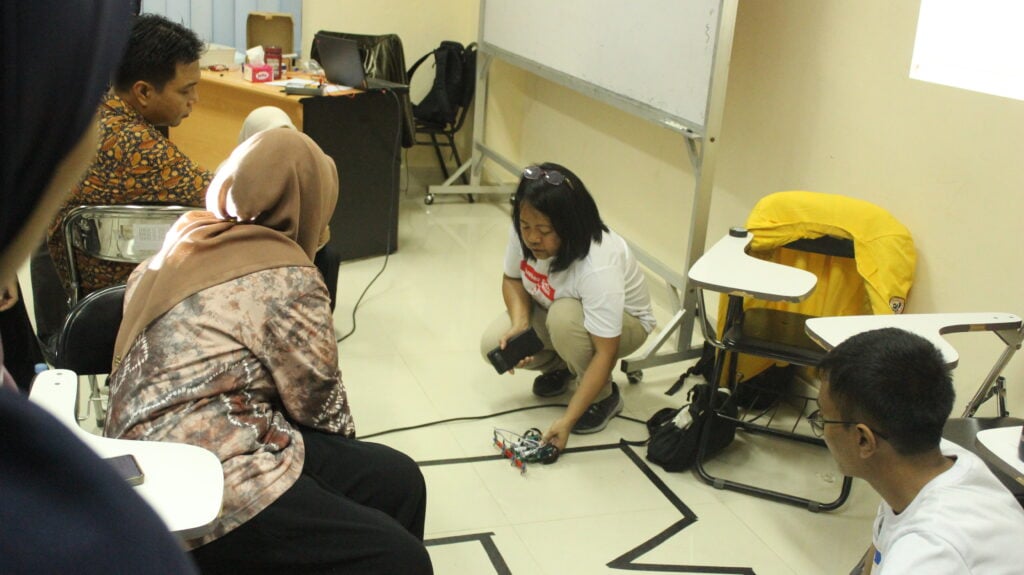
The program was held over two days and featured hands-on activities and intensive mentoring. Participants were equipped with skills in designing and providing contextual and practical STEM learning tools. This year’s curriculum included the assembly of simple robots, basic programming, sensor integration, and strategies for applying robotics in science education. Through this activity, participants are expected to enhance their pedagogical and technological competencies while supporting the creation of an inclusive, sustainable, and future-ready STEM learning ecosystem.
During this training session, the event organizers also banned the use of disposable plastic tableware. According to the Vice Chair of the Organizing Committee, Ratna Yulinda, this policy was implemented to follow up on University Leadership Circular No. 2 of 2026 regarding the Ban on the Use of Single-Use Plastic Packaging and the Mandatory Use of Reusable Water Bottles (tumbler) on the University of Lambung Mangkurat campus. “In light of this, the event organizers took the initiative to design the event in a way that encourages participants to bring their own tumblers,” she said.
Article Contributor: Ratna Yulinda
(Admin)