June 17, 2026

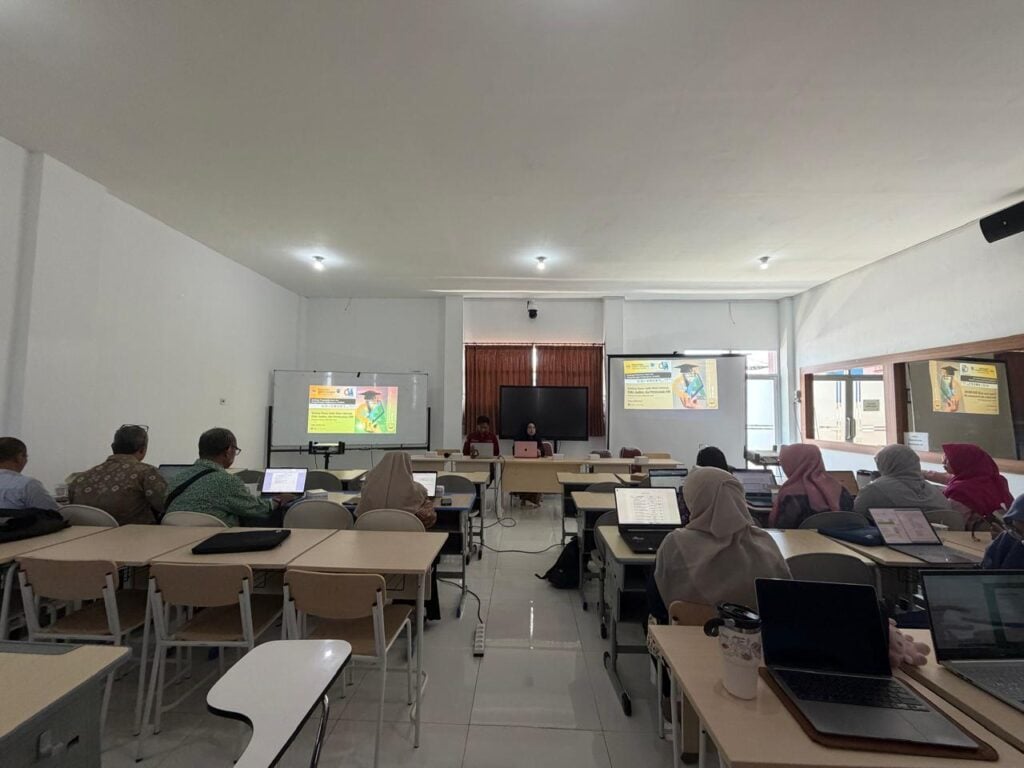
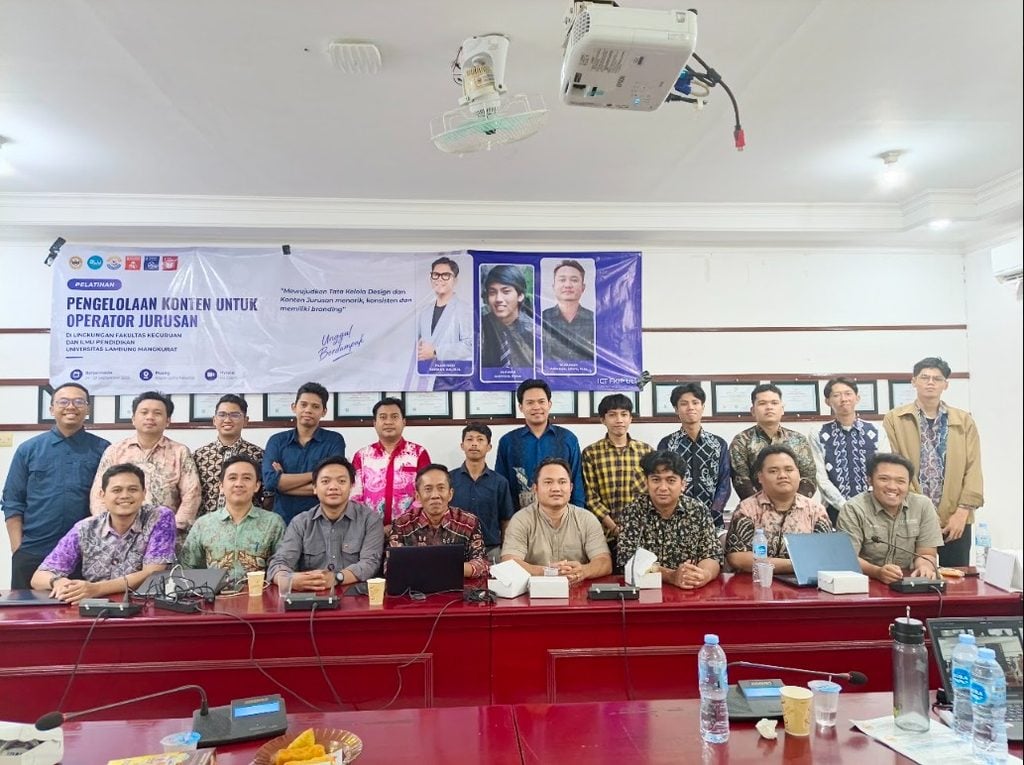
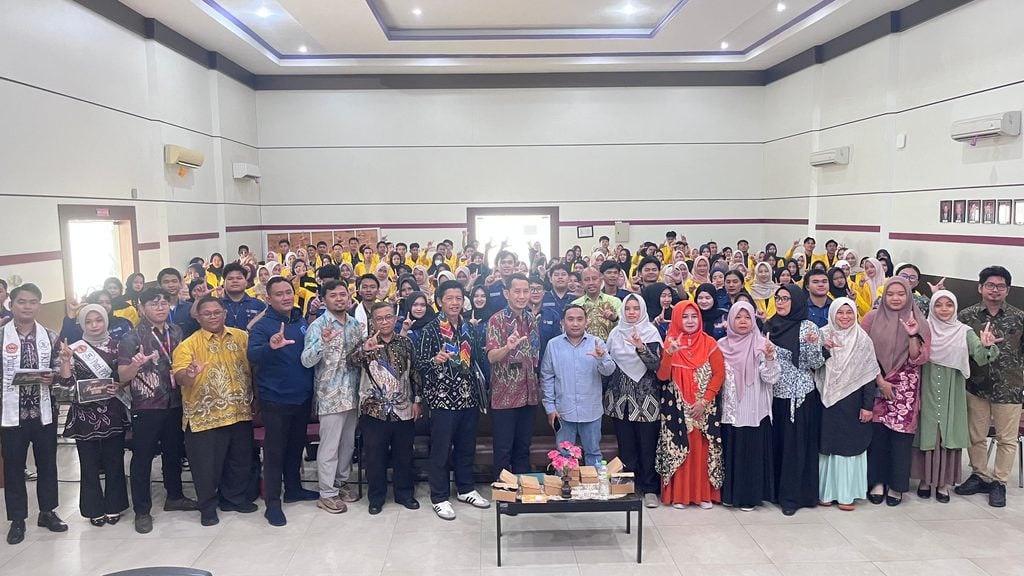
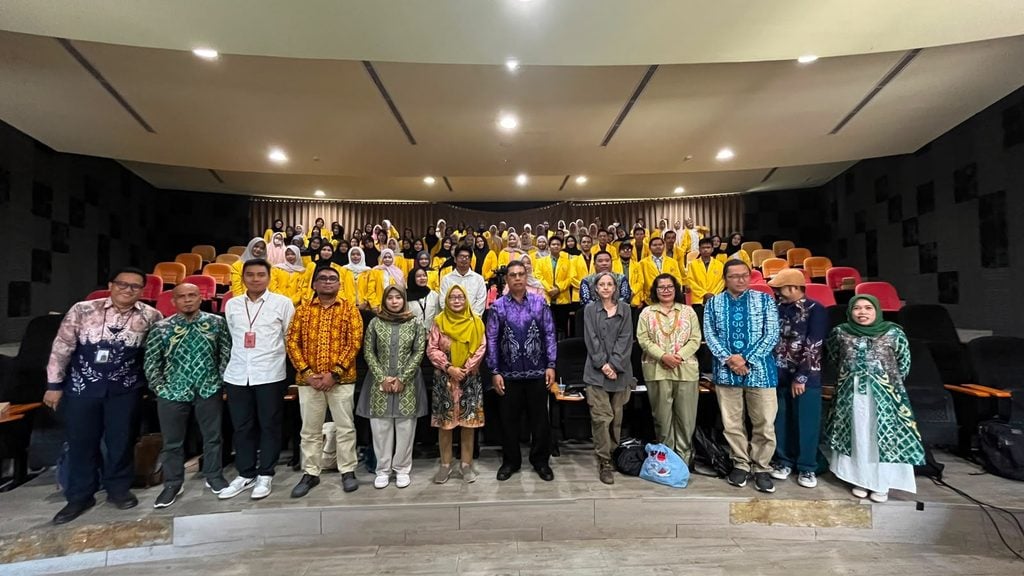
Banjarmasin – The Quality Assurance Unit (UPM) of the Faculty of Teacher Training and Education (FKIP) at Lambung Mangkurat University (ULM) held a Risk-Based Internal Quality Audit (AMI) as a strategic step in preparing for the 2026 Internal Quality Audit (AMI). The event, which took place in the PPG Microteaching Room at FKIP ULM, was attended by faculty leadership, the Quality Assurance Unit (UPM) team, and auditor representatives from various departments and study programs within FKIP ULM.
The event was officially opened by Deasy Arisanty, Associate Dean for Academic Affairs at the Faculty of Teacher Training and Education (FKIP) of ULM. In her remarks, Deasy emphasized that the Internal Quality Audit (AMI) is a crucial tool for ensuring the implementation of quality standards and fostering a culture of continuous quality improvement. “An Internal Quality Audit is not merely an evaluation activity, but a means to ensure that established standards are truly implemented and continuously improved. Through competent auditors, we can strengthen the culture of quality, which serves as the cornerstone for maintaining the quality of higher education,” she said.
Meanwhile, Ananda Setiawan, Chair of the ULM FKIP UPM, explained that this training is part of the preparations for the faculty-level AMI, which will be conducted in an integrated manner through the ULM FKIP E-SPMI application. “This year, the FKIP ULM AMI will be conducted using the E-SPMI application with assessment instruments based on the 65 elements of LAMDIK 3.0 Accreditation. Through this training, auditors are equipped with an understanding of the assessment instruments, audit techniques, and system usage so that the audit process can proceed more effectively and objectively, resulting in well-targeted recommendations,” he said.
This training featured Maya Sari Dewi, Head of the Monitoring and Evaluation (Monev) Center at LPMPP ULM, as the keynote speaker. During her presentation, participants received training on the basic concepts of AMI, auditor ethics, audit planning techniques, and the implementation of risk-based audits to support the Internal Quality Assurance System (SPMI). According to her, auditors play a crucial role in helping work units identify compliance with standards while also identifying opportunities for improvement that can enhance institutional performance. “An audit is not about finding faults, but rather ensuring that standards are consistently implemented and identifying opportunities for improvement that can enhance the organization’s quality. Therefore, auditors must work objectively, independently, and based on evidence,” she explained.
In addition to the presentation of course material, participants also received training on how to use E-SPMI FKIP ULM, a digital system developed to support the integrated implementation of the Internal Quality Assurance System. Through this platform, all stages of the Internal AMI can be carried out systematically, ranging from assigning auditors, filling out audit instruments, uploading supporting documents, verifying evidence, recording audit findings, to formulating recommendations and following up on audit results.
“E-SPMI is part of the digital transformation of quality assurance at the Faculty of Teacher Training and Education (FKIP) at ULM. This system is designed to facilitate the conduct of audits, improve data accuracy, and ensure that all documents and audit results are properly documented. In addition to supporting the implementation of AMI, E-SPMI also serves as a vital tool in preparing for and maintaining excellent accreditation status for academic programs,” explained Ananda.
The 2026 AMI assessment will utilize 65 audit elements developed based on the LAMDIK 3.0 Accreditation Instrument. These elements cover various aspects of the implementation of the three pillars of higher education, governance, resources, outcomes, and the implementation of quality assurance systems. Through a risk-based audit approach, auditors are expected to identify potential obstacles that could affect the achievement of quality standards while providing constructive recommendations for improvement.
“AMI is not only an evaluation tool, but also a strategic initiative by the Faculty of Teacher Training and Education (FKIP) at ULM to ensure the sustainability of academic quality and maintain excellent accreditation status for the 21 degree programs and 1 professional program within FKIP ULM. Through systematic, documented, and risk-based audits, we hope that a culture of quality will become increasingly ingrained in every academic and non-academic process. Through this initiative, FKIP ULM continues to strengthen the implementation of the PPEPP cycle (Establishment, Implementation, Evaluation, Control, and Improvement) as the foundation of the SPMI. “The implementation of E-SPMI, integrated with the 65-element LAMDIK 3.0 audit instrument, is expected to enhance the effectiveness of the audit process while generating accurate quality data to inform decision-making,” said Ananda Setiawan.
(Article Contributor: Saiyidah Mahtari)
(Admin)